
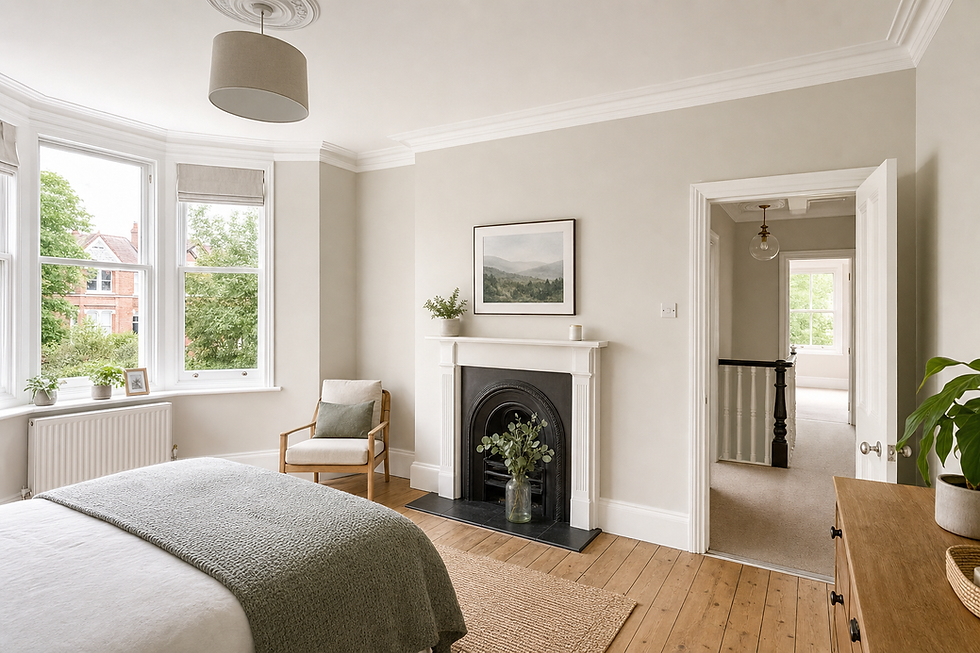
Why the finish looks better and lasts better
Prep comes before colour
Filling, sanding and priming give the paint a sound base instead of asking it to hide defects.
Finish matched to the room
Paint type and sheen can be chosen around light, wear and how the space is actually used.
Repairs blended in neatly
Careful edges and even coverage help repaired areas sit quietly instead of standing out forever.
Fresh paint only looks good on honest preparation
Painting and decorating has a habit of exposing whatever came before it. Poor repairs, dusty surfaces, rough filling and rushed sanding all show themselves once the paint dries. That is why preparation sits at the centre of how we work at Trojan Construction. Cleaning, filling, sanding, sealing and priming are dealt with as needed for the surface in front of us, whether that is wall, ceiling or woodwork. Once that groundwork is right, colour and finish can actually do their job instead of trying to distract from defects that should have been sorted first.
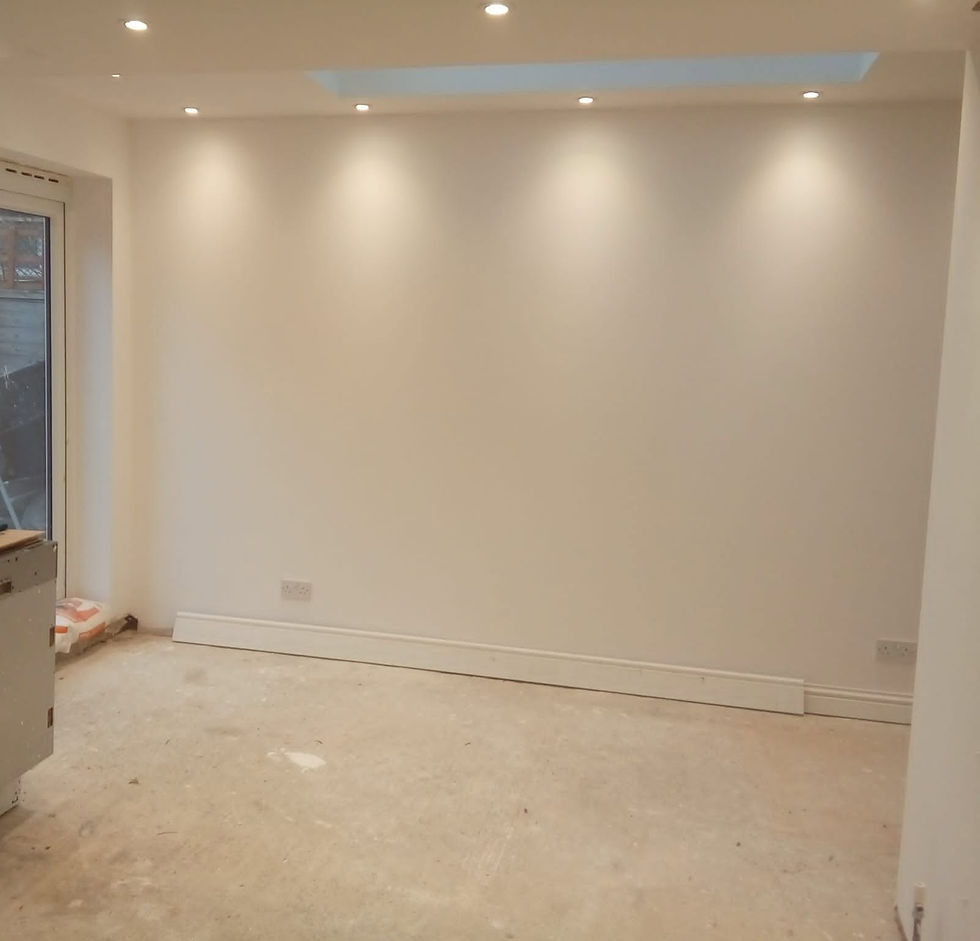
The finish should suit the room, not just the tin
Colour, sheen and paint type all affect how a room feels and how it wears over time. Some spaces need better washability, some need a softer look and some need finishes that sit well with repaired or newly plastered areas. Trojan Construction also takes care of neat cutting-in, even coverage and the edges where walls, trim and repairs meet. During renovations, decorating belongs after plastering and major carpentry, with floors and retained fixtures protected while the work is done. That ordering helps the final finish feel clean rather than like the last layer over a rushed week.
Frequently asked questions
Why does surface preparation matter so much?
Because paint tends to highlight flaws rather than forgive them. Dust, poor filling, rough sanding and weak repairs can all show through the finish. Good preparation is what lets the final colour look clean, even and worth having on the wall in the first place.
How do we choose the right paint finish?
It depends on the room, the light, the level of wear and how washable the surface needs to be. Different sheens change both appearance and practicality, so the choice should suit the space rather than simply following whatever sounded fashionable in the shop.
Can decorating follow wider renovation work?
Yes, and it usually should. Decorating normally comes after plastering and major carpentry, once the surfaces are stable and ready. That timing helps protect the final finish and means the paint is completing the room, not covering for unfinished groundwork.